Guidance on how to teach your child
Practical, step-by-step methods you can use with your child at home.
One-to-one sessions with a Qualified Teacher who shows you how to teach your child, in a way that suits them and makes sense to you.
Online. With or without a tutor. With or without additional needs.
Parents are often asked to practise reading, support homework or help their child catch up. But being asked to help is not the same as being shown how.
If your child learns differently, that gap can feel even bigger. An activity that looks straightforward might involve several things they find difficult. They might understand an idea but struggle to explain it, write it down or get started.
These sessions give you space to understand what might be making learning hard, and to explore practical ways to help.
Practical, step-by-step methods you can use with your child at home.
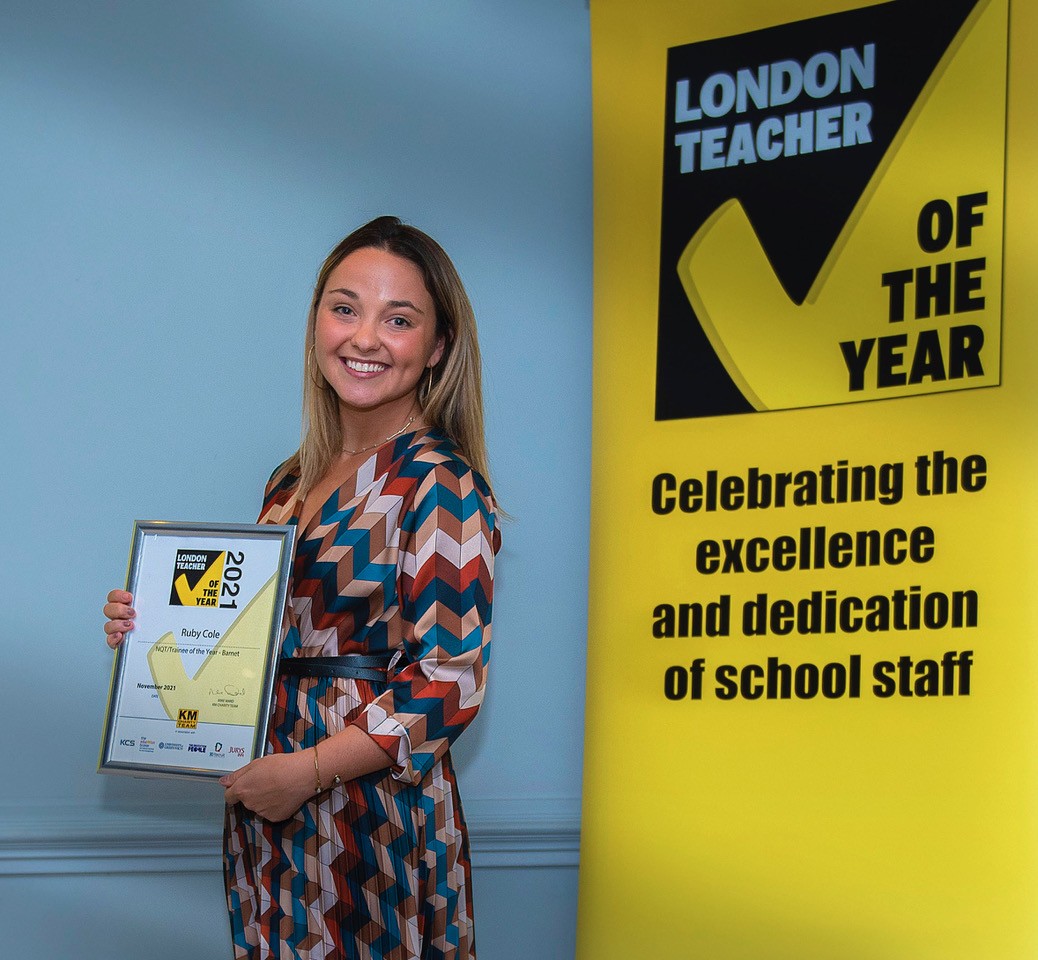
Ruby walks you through the ideas, so you feel confident explaining them.
How to plan each week so your child's learning is structured and supported.
What to look for, and how to tell what needs more time.
How to work alongside teachers, tutors and other professionals.
Time to look at what is helping your child and what should change, so the plan keeps fitting them.
Ruby goes through your child's educational and learning profile with you, and identifies the way they learn best.
She compares it with the national curriculum and the curriculum your child's school follows.
She creates a bespoke programme, teaches it to you, and supports you in developing your ability to teach your child.
You leave with practical tools and resources to use at home.
The plan is a teaching guide for use at home. It is not a formal assessment.
Whether you are supporting your child alongside school, alongside a tutor, or teaching them yourself.
For parents who want to help with reading, writing and maths at home, alongside school or a tutor, and would like to be shown how.
If your child has special educational needs or learns differently, Ruby shows you how to adapt the learning at home so it suits the way they learn.
There is no single type of family who benefits. Parent teaching sessions can help whoever you are.
Sometimes the hardest part is helping your child feel ready and able to take part. Ruby supports you in creating a familiar routine, making expectations clear, and building an adaptive learning environment.
Prefer email? Write to hello@rubycole.co.uk.
Some children come to Ruby for confidence, friendships or managing change. Others come for academic support, whether that is catching up, keeping pace or being stretched further. Many need both. Over 10 years working with children and families, nationally and internationally, Ruby has learned to notice what sits beneath the surface.
These sessions teach parents how to support their child's learning. They are not a replacement for school, specialist assessment or therapy, and they do not offer a diagnosis. If Ruby believes a child would benefit from clinical support, she will always say so. If you would rather Ruby taught your child directly, one-to-one tuition is available. Not sure what your child needs? Start with a parent consultation.
Online resources, worksheets and AI tools can all be useful, and Ruby is not against them. What they cannot do is know your child. They give you activities but not the reasons behind them, they cannot notice that your child is tired, anxious or stuck on one small step, and they are not teachers. A Qualified Teacher understands child development, the demands of the classroom and the different ways children learn, including children with special educational needs. Ruby helps you choose the right resources and use them well.
No. Ruby assumes you are starting from scratch and shows you each step.
No. Many parents want to support their child alongside school, or to reinforce what is taught in class.
Yes. Ruby builds the plan around the curriculum your child follows, and around their age and stage of development. If it is not the national curriculum for England, she works from the framework your child's school or programme uses.
Yes. Many families do both. Ruby can show you how to support what a tutor is teaching.
Yes. Ruby works every day with children who have a range of needs, and adapts the sessions to suit. A formal diagnosis is not needed.
Yes. Ruby offers one-to-one tuition, and she can talk through which option suits your family best.
It depends on your child and your goals. Ruby will suggest a plan after your first conversation.
Yes. Ruby handles information in line with the site's Privacy Policy and Safeguarding Policy. If a safeguarding concern arises, Ruby is required to act on it.
Little and often works best. Around ten calm minutes a day, reading together, talking about the story and letting your child choose some books, usually helps more than long sessions.
Read the full guideStart with everyday moments and real objects, such as cooking, shopping and games, then add a few minutes of regular practice on number facts. Ask the teacher which methods they use in class.
Read the full guideOften the task feels too hard, too long or too open at the end of a tiring day. A short routine, breaking tasks into small steps and stopping before it boils over can help.
Read the full guideIn England you do not have to follow the national curriculum, but your child must receive a suitable full-time education. Many families start with reading, writing and maths and build from their child's interests.
Read the full guideFor primary age children, short focused sessions work best. Twenty to forty minutes in total alongside school, broken into smaller blocks, is often plenty.
Read the full guideThe fee is shared when you get in touch.
Send a few lines about what you would like help with. Ruby will reply personally.